Apps like BitMint (sometimes generically called Bitcoin Mining apps) advertise cloud mining — letting users “mine” Bitcoin or crypto from their phone without hardware. They typically claim:
- Cloud-based mining (no phone computing power used)
- Easy start with no hardware or technical skill
- Real-time earnings tracker
- Withdrawals to your crypto wallet once you hit a threshold
Some variants in app stores may be named BitMint or similar, offering virtual miner rentals. However, many are simply UI overlays promising mining rewards, and some may not perform actual mining at all (very similar strategy to fake mining apps detected in security research).
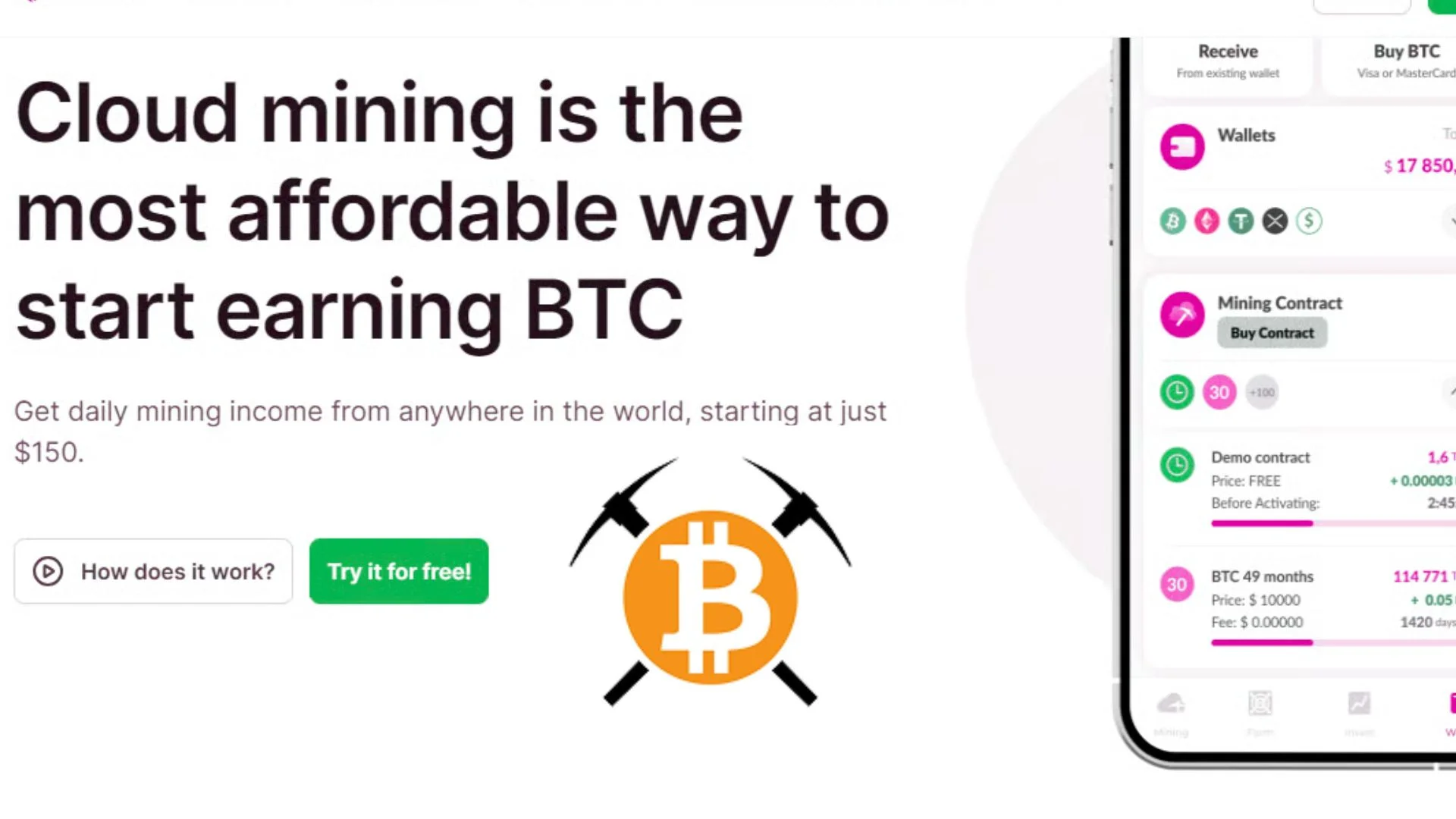


Core Features: BitMint-Style Apps
1. Beginner-Friendly Interface
These apps rarely require setup beyond signing in or starting contracts — appealing for first-time users.
2. Cloud-Based Claims (No Hardware)
They say mining happens “in the cloud,” meaning your phone doesn’t do real mining work — this is typical of cloud mining products.
3. Rewards & Withdrawals
Reviews and store pages suggest earnings can accumulate and be withdrawn when you hit a minimum balance. However:
- Some users report difficulty withdrawing or low payouts
- Ratings and reviews for some cloud mining apps trend very low, with many users calling the earnings tiny or services unresponsive
4. Paid Contracts / Watch Ads
Many of these apps monetize through in-app purchases, subscriptions, or forcing users to watch ads to maintain “hash rates.” This often turns potential profits into costs.
Popular Cloud Mining Alternatives (and How They Compare)
Cloud mining is a broad category — not all apps work the same. Below are mainstream options beyond simple phone apps:
1. ECOS / BitDeer
These platforms offer real cloud mining contracts supported by industrial facilities with physical ASIC miners. They tend to:
- Provide structured, long-term mining contracts
- Include transparency on equipment and payouts
- Be more reliable than generic mining apps
But they often require larger minimum deposits and clear ROI expectations.
2. Binance Cloud Mining
Integrated with a major exchange, offering:
- Transparent stats
- Daily rewards
- Seamless payout into your exchange wallet
This option is typically considered more legitimate since it’s backed by an established entity.
3. NiceHash
Not a contract seller — it’s a hashpower marketplace:
- Rent computing power for various coins
- Flexible durations
- Payouts based on real production
NiceHash requires more understanding of mining metrics and may suit more experienced users.
4. AutoHash / Hashing24
Offer structured contracts with defined terms and sometimes renewable energy powered operations — appealing to users who prefer clarity and legality.
Risks and Realities
1. Profitability Is Not Guaranteed
Mining returns depend on network difficulty, crypto prices, and fees — so success varies widely across apps.
2. Scam and Low-Value Risk
There’s strong skepticism around many mobile “cloud mining” apps. Online forums warn:
- Some apps pay negligible amounts
- Others never pay out at all
- Many resemble ponzi-style payouts or heavy ad engagements rather than real mining
3. Regulatory and Legitimacy Issues
Even if an app exists on official stores, it doesn’t guarantee real mining infrastructure or regulatory compliance. Legitimate cloud mining services typically disclose mining farms, fees, and contract details — unlike many simple phone apps.
Bottom Line: BitMine / BitMint-Style vs More Established Cloud Mining
| Feature / Factor | BitMine / BitMint-Style Apps | Established Cloud Mining Platforms |
|---|---|---|
| Ease of use | ✔ Very easy to start | ✔ Moderate to easy |
| True mining backing | ❓ Often unclear | ✔ Typically real hardware |
| Profitability | ❓ Low or negligible | ✔ Varies, more structured |
| Withdrawals reliability | ❓ Reports vary | ✔ Better track record |
| Security & traceability | ❓ Often weak | ✔ Usually stronger |
👉 Simple cloud-mining apps can be entertaining or educational, but they often do not provide meaningful mining returns and carry higher risk. Traditional cloud mining services with real infrastructure and transparent contracts tend to be more reliable, though they require more commitment and understanding.